1 / 20
+15
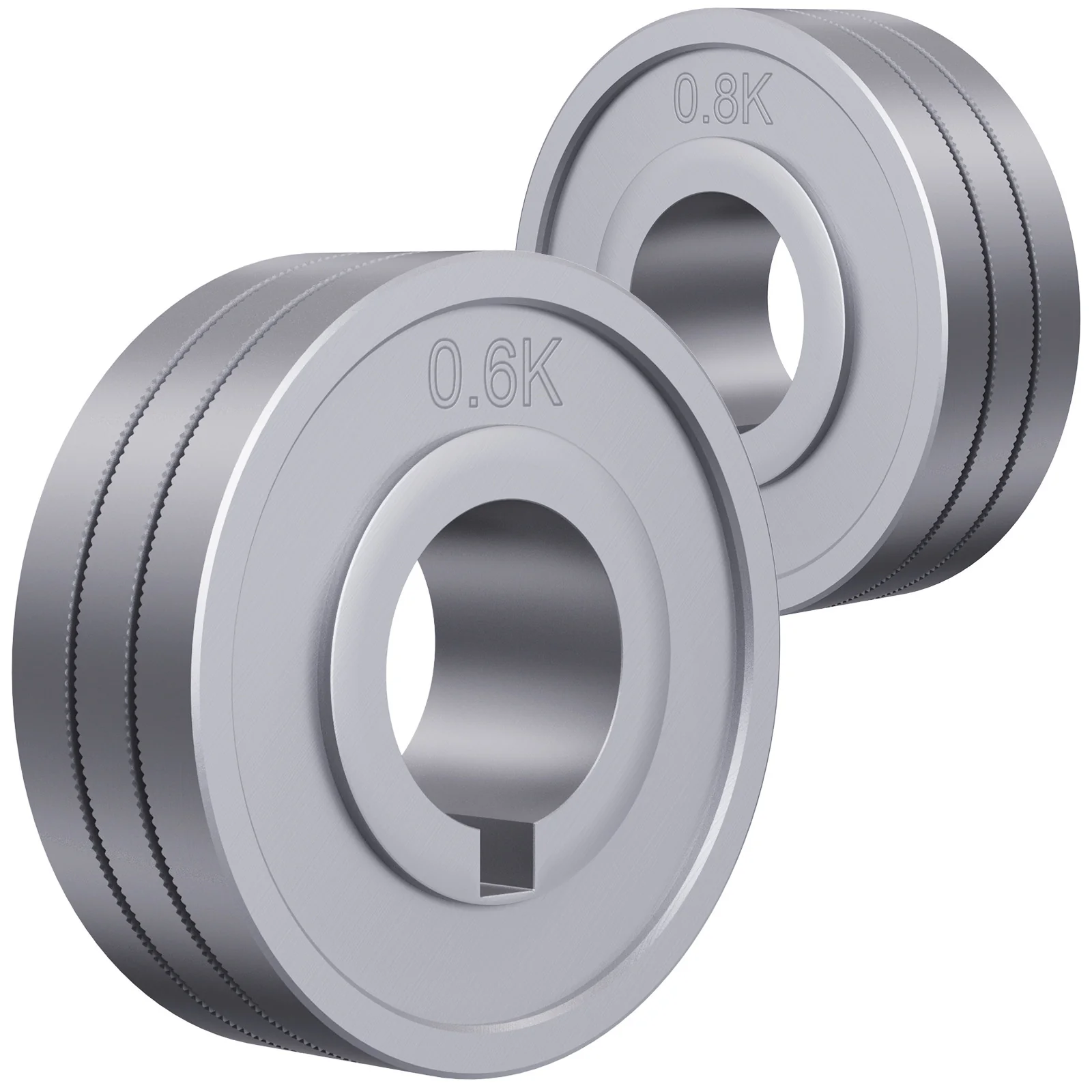
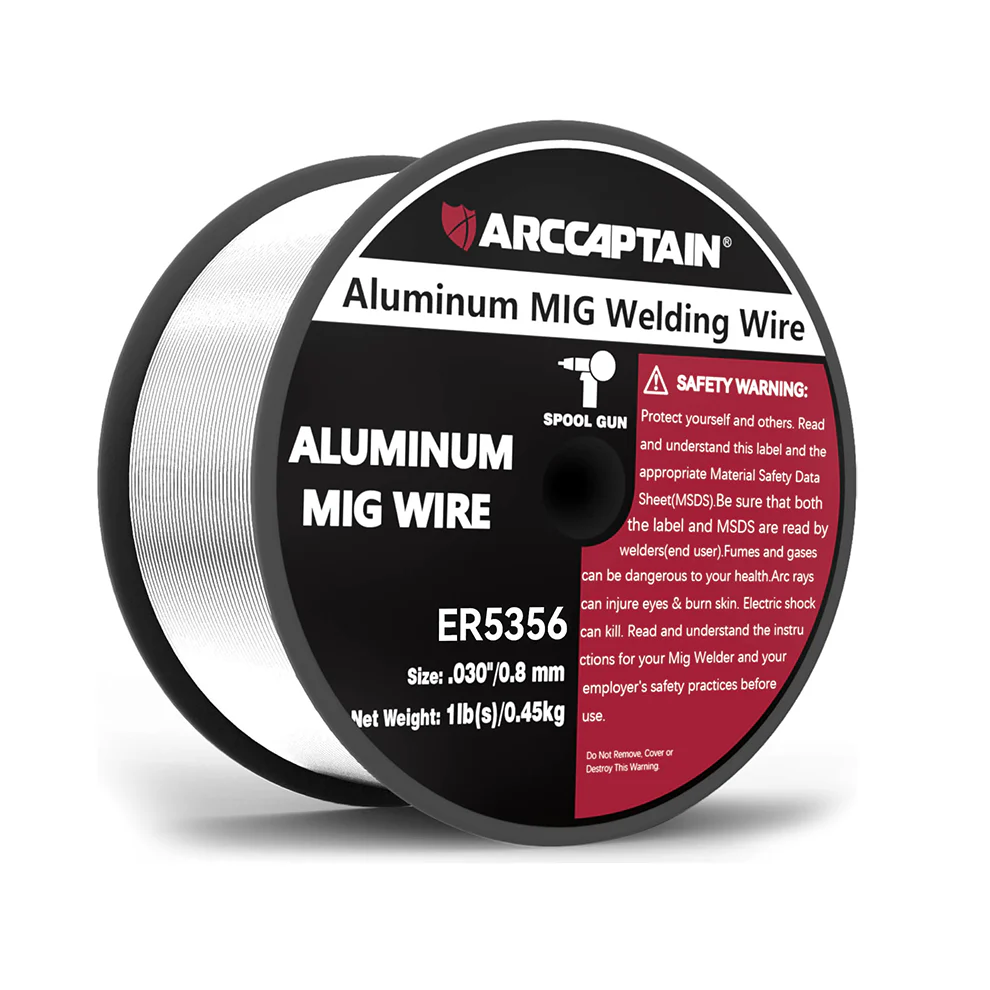
ARCCAPTAIN Aluminum Welding Wire 1 Pound Aluminum MIG Wire
Performance Characteristics The differing chemical compositions lead to distinct performance characteristics:
Chemical Composition Comparison Standard Reference: AWS A5.10 / ISO 18273
Product Images


- Strength ER5356 is significantly stronger, with a typical shear strength of 18 KSI compared to 11 KSI for ER4043. It is the standard for load-bearing structural parts.
- Operating Temperature ER4043 can be used in environments exceeding 150°F (66°C), while ER5356 is not recommended for these elevated temperatures due to potential stress corrosion cracking.
- Ductility ER5356 is more ductile and flexible, making it better for parts subject to vibration or post-weld forming.
- Anodizing Color Match ER5356 provides a much better color match to the base metal after anodizing. ER4043 typically turns dark gray or black after the process.
- Weldability & Flow ER4043 has excellent fluidity and a lower melting point, making it easier for beginners to control and better at bridging gaps.
- Wire Feeding Because it is stiffer, ER5356 often feeds more reliably through MIG welding systems. ER4043 is softer and more prone to feeding issues without a spool gun.
- Crack Resistance ER4043 is highly resistant to hot cracking, especially when welding 6xxx series alloys like 6061.
- Aesthetics ER4043 produces smoother, shinier welds with less spatter. ER5356 welds often have a duller, "frosty" appearance and generate more soot (smut).
| Application | Recommended Filler | Reason |
|---|---|---|
| Marine / Saltwater | ER5356 | Superior corrosion resistance. |
| 6061-T6 Base Metal | Either | Choice depends on strength vs. ease. |
| Aluminum Castings | ER4043 | Excellent crack resistance and low porosity. |
| Pressure Vessels | ER5356 | High structural integrity requirements. |
| Automotive Radiators | ER4043 | Good flow on thin materials, high temp tolerance. |
| Composition Elements | 4043 (AlSi5) | 5356 (AlMg5) |
|---|---|---|
| Silicon (Si) | 4.5 – 6.0% | ≤ 0.25% |
| Magnesium (Mg) | — | 4.5 – 5.5% |
| Manganese (Mn) | — | 0.05 – 0.20% |
| Iron (Fe) | ≤ 0.8% | ≤ 0.4% |
| Copper (Cu) | ≤ 0.3% | ≤ 0.1% |
| Zinc (Zn) | ≤ 0.1% | ≤ 0.25% |
| Titanium (Ti) | ≤ 0.2% | ≤ 0.2% |
| Other Impurities | ≤ 0.15% | ≤ 0.15% |
| Aluminum (Al) | Balance | Balance |
Performance Characteristics The differing chemical compositions lead to distinct performance characteristics:
Chemical Composition Comparison Standard Reference: AWS A5.10 / ISO 18273
Product Images
- Strength ER5356 is significantly stronger, with a typical shear strength of 18 KSI compared to 11 KSI for ER4043. It is the standard for load-bearing structural parts.
- Operating Temperature ER4043 can be used in environments exceeding 150°F (66°C), while ER5356 is not recommended for these elevated temperatures due to potential stress corrosion cracking.
- Ductility ER5356 is more ductile and flexible, making it better for parts subject to vibration or post-weld forming.
- Anodizing Color Match ER5356 provides a much better color match to the base metal after anodizing. ER4043 typically turns dark gray or black after the process.
- Weldability & Flow ER4043 has excellent fluidity and a lower melting point, making it easier for beginners to control and better at bridging gaps.
- Wire Feeding Because it is stiffer, ER5356 often feeds more reliably through MIG welding systems. ER4043 is softer and more prone to feeding issues without a spool gun.
- Crack Resistance ER4043 is highly resistant to hot cracking, especially when welding 6xxx series alloys like 6061.
- Aesthetics ER4043 produces smoother, shinier welds with less spatter. ER5356 welds often have a duller, "frosty" appearance and generate more soot (smut).
| Application | Recommended Filler | Reason |
|---|---|---|
| Marine / Saltwater | ER5356 | Superior corrosion resistance. |
| 6061-T6 Base Metal | Either | Choice depends on strength vs. ease. |
| Aluminum Castings | ER4043 | Excellent crack resistance and low porosity. |
| Pressure Vessels | ER5356 | High structural integrity requirements. |
| Automotive Radiators | ER4043 | Good flow on thin materials, high temp tolerance. |
| Composition Elements | 4043 (AlSi5) | 5356 (AlMg5) |
|---|---|---|
| Silicon (Si) | 4.5 – 6.0% | ≤ 0.25% |
| Magnesium (Mg) | — | 4.5 – 5.5% |
| Manganese (Mn) | — | 0.05 – 0.20% |
| Iron (Fe) | ≤ 0.8% | ≤ 0.4% |
| Copper (Cu) | ≤ 0.3% | ≤ 0.1% |
| Zinc (Zn) | ≤ 0.1% | ≤ 0.25% |
| Titanium (Ti) | ≤ 0.2% | ≤ 0.2% |
| Other Impurities | ≤ 0.15% | ≤ 0.15% |
| Aluminum (Al) | Balance | Balance |
Select Size
From $5.60
Original: $15.99
-65%ARCCAPTAIN Aluminum Welding Wire 1 Pound Aluminum MIG Wire—
$15.99
$5.60Description
Performance Characteristics The differing chemical compositions lead to distinct performance characteristics:
Chemical Composition Comparison Standard Reference: AWS A5.10 / ISO 18273
Product Images
- Strength ER5356 is significantly stronger, with a typical shear strength of 18 KSI compared to 11 KSI for ER4043. It is the standard for load-bearing structural parts.
- Operating Temperature ER4043 can be used in environments exceeding 150°F (66°C), while ER5356 is not recommended for these elevated temperatures due to potential stress corrosion cracking.
- Ductility ER5356 is more ductile and flexible, making it better for parts subject to vibration or post-weld forming.
- Anodizing Color Match ER5356 provides a much better color match to the base metal after anodizing. ER4043 typically turns dark gray or black after the process.
- Weldability & Flow ER4043 has excellent fluidity and a lower melting point, making it easier for beginners to control and better at bridging gaps.
- Wire Feeding Because it is stiffer, ER5356 often feeds more reliably through MIG welding systems. ER4043 is softer and more prone to feeding issues without a spool gun.
- Crack Resistance ER4043 is highly resistant to hot cracking, especially when welding 6xxx series alloys like 6061.
- Aesthetics ER4043 produces smoother, shinier welds with less spatter. ER5356 welds often have a duller, "frosty" appearance and generate more soot (smut).
| Application | Recommended Filler | Reason |
|---|---|---|
| Marine / Saltwater | ER5356 | Superior corrosion resistance. |
| 6061-T6 Base Metal | Either | Choice depends on strength vs. ease. |
| Aluminum Castings | ER4043 | Excellent crack resistance and low porosity. |
| Pressure Vessels | ER5356 | High structural integrity requirements. |
| Automotive Radiators | ER4043 | Good flow on thin materials, high temp tolerance. |
| Composition Elements | 4043 (AlSi5) | 5356 (AlMg5) |
|---|---|---|
| Silicon (Si) | 4.5 – 6.0% | ≤ 0.25% |
| Magnesium (Mg) | — | 4.5 – 5.5% |
| Manganese (Mn) | — | 0.05 – 0.20% |
| Iron (Fe) | ≤ 0.8% | ≤ 0.4% |
| Copper (Cu) | ≤ 0.3% | ≤ 0.1% |
| Zinc (Zn) | ≤ 0.1% | ≤ 0.25% |
| Titanium (Ti) | ≤ 0.2% | ≤ 0.2% |
| Other Impurities | ≤ 0.15% | ≤ 0.15% |
| Aluminum (Al) | Balance | Balance |